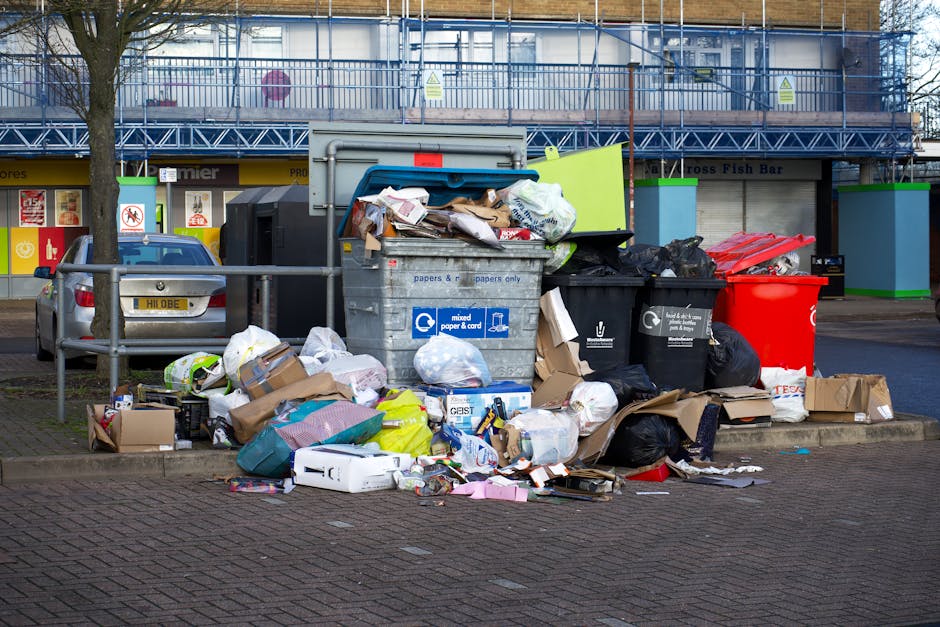
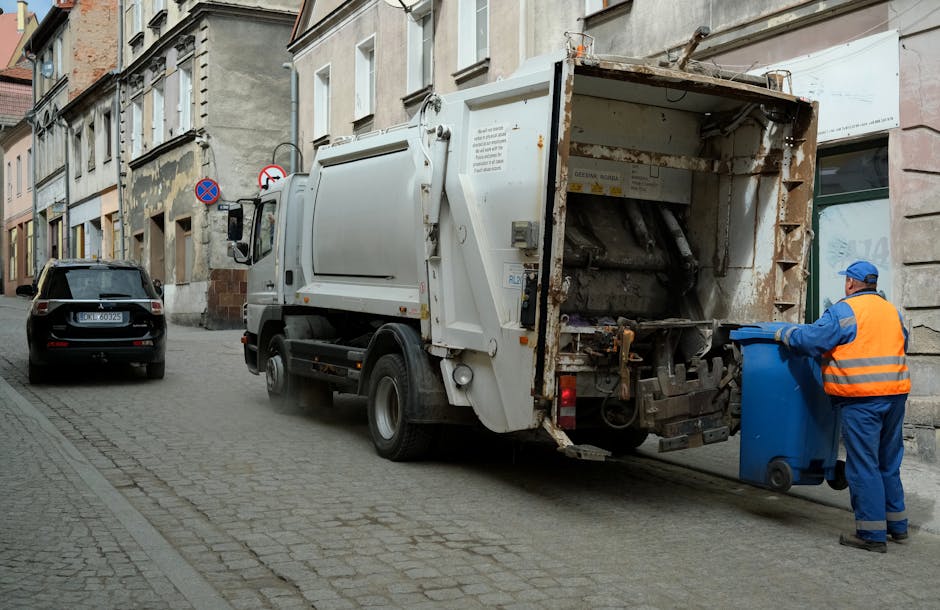
Rubbish removal services North Finchley High Road guide
If you are trying to clear bulky waste, leftover renovation rubble, or a pile of awkward household items near North Finchley High Road, you are probably after one simple thing: a service that turns clutter into clean space without hassle. This Rubbish removal services North Finchley High Road guide walks you through how the process works, what to expect, and how to choose a provider that feels reliable from the first phone call to the final sweep-up.
To be fair, rubbish removal sounds straightforward until you are standing beside a cracked wardrobe, a few bags of mixed waste, and one very stubborn fridge that will not fit through the hall. That is exactly where a good collection service earns its keep. In this guide, we will cover practical local considerations, common mistakes, compliance basics, and the real-world decisions people make when booking clearance in a busy London setting.
Whether you are a homeowner, tenant, landlord, shop owner, or small business on or around High Road, the goal is the same: get the job done quickly, safely, and with as little stress as possible.
Why Rubbish removal services North Finchley High Road guide Matters
North Finchley High Road is a busy, lived-in part of North London. That matters because rubbish removal here is not just about lifting waste; it is about timing, access, parking, shared entrances, neighbours, and getting items out without causing disruption. If you have ever watched a van double-park while somebody carries a sofa down a narrow stairwell, you already know the kind of practical detail that can make or break a collection.
People often search for rubbish removal when they are under time pressure. A tenancy is ending. A builder has left debris behind. A spare room has slowly become a storage zone. Maybe you are handling a bereavement, which is never just "a clearance job" emotionally, no matter how tidy the checklist looks on paper. The right service helps you move through that moment with less friction.
This guide matters because the cheapest option is not always the smoothest one, and the quickest option is not always the safest. A good clearance plan balances speed, cost, recycling, and care for the property. That balance is especially useful on a high street route, where access can be tighter and schedules more sensitive than in a quieter residential road.
Expert summary: The best rubbish removal service is usually the one that gives clear pricing, arrives prepared for access issues, handles mixed waste properly, and leaves the area tidy. Simple, but not always easy.
How Rubbish removal services North Finchley High Road guide Works
Most rubbish removal jobs follow a similar pattern, though the details vary depending on the waste type and the volume involved. In many cases, the process is refreshingly direct. You request a quote, describe what needs removing, arrange a time, and the team comes to load and dispose of the waste.
That said, a proper service is doing more than just "taking things away". It should assess what can be reused, recycled, or separated from general waste. It should also think about safety, especially with heavy or awkward items like appliances, mattresses, builders' rubble, or old office furniture. If hazardous or specialist waste is involved, the provider should be able to explain how that is handled before anyone starts lifting.
On a practical level, the job usually works like this:
- You outline what needs removing and where it is located.
- The provider gives a price estimate or quote based on volume, type, and access.
- A collection time is arranged, often with a small arrival window.
- The team arrives, confirms the load, and gets to work.
- Items are sorted for loading, recycling, disposal, or specialist handling.
- The area is cleared, and in a good service, left reasonably tidy.
If the job includes furniture, appliances, or mixed household waste, it may overlap with services like house clearance, home clearance, or even flat clearance. In some cases, a broader service can be more efficient than booking several smaller collections.
And yes, sometimes the awkward bit is just getting the item outside. That old sideboard in the second bedroom may be heavier than it looks. Annoyingly common.
Key Benefits and Practical Advantages
Rubbish removal is popular because it saves time, effort, and a fair bit of physical strain. But the better services offer more than convenience. They reduce risk, improve organisation, and make it easier to handle waste in a way that does not become a problem later.
1. Faster turnaround
One of the biggest benefits is speed. Instead of hiring a vehicle, gathering help, loading everything yourself, and figuring out disposal routes, a clearance team can complete the work in one visit. For busy households and businesses, that is a huge relief.
2. Less lifting and less stress
Most people underestimate how awkward rubbish is to move. Mixed waste does not stack neatly. Broken chairs wobble. Loose bags tear. Fridge doors snag. A professional team handles the physical side, which is especially useful if you live upstairs, have limited parking, or simply do not want a weekend spent hauling junk through a communal hallway.
3. Better sorting and recycling
A reputable waste remover should separate recyclable material where possible. That is not just a nice extra. It is part of responsible waste management. It also helps reduce the amount sent to landfill, which matters to many customers in London who want a more sustainable option.
4. Cleaner presentation
If you are preparing a property for sale, letting, refurbishment, or inspection, a cleared space always looks better than a half-cleared one. You notice the difference immediately. Rooms feel larger. Light comes back in. The place simply breathes again.
5. Flexible for different job sizes
Some jobs are tiny, such as a few bin bags and an old mattress. Others are substantial, like a complete garage clearance or a business office refresh. A good rubbish removal service can scale to the job instead of forcing you into a one-size-fits-all option.
For more specialist needs, it may be better to choose a targeted service. For example, certain customers benefit from furniture disposal, mattress and sofa disposal, or fridge and appliance removal rather than a general mixed-load collection.
Who This Is For and When It Makes Sense
Truth be told, rubbish removal on or near North Finchley High Road is useful for more people than you might expect. It is not only for major building projects or dramatic clear-outs. Often, it is the everyday situations that create the most annoyance.
Homeowners and tenants
If you are moving, redecorating, downsizing, or clearing a spare room, rubbish removal can stop clutter from slowing everything down. Tenants also use it to avoid leaving behind bulky waste at the end of a tenancy. Nobody wants a last-minute panic over abandoned furniture. Nobody.
Landlords and letting agents
After a tenant moves out, there is sometimes leftover furniture, damaged goods, or general waste that needs clearing before the next letting stage. Fast turnaround matters here, especially where viewings are booked and time is tight.
Local businesses
Shops, offices, salons, and small studios often need a quick, discreet clearance. It might be packaging, old stock, broken fittings, or worn-out office furniture. For those jobs, office clearance and business waste removal are often more suitable than trying to manage the waste in-house.
Builders and renovators
Refurbishments generate dust, broken materials, old fixtures, timber offcuts, and mixed rubble. These jobs often need builders waste clearance rather than ordinary household rubbish removal, because the waste stream is different and heavier.
People clearing life events
Bereavement, care moves, and sudden relocations all create practical pressure. In those situations, a gentle, reliable clearance service can take one burden off your plate. That can make a difficult week a little more manageable, which matters more than people say out loud.
Step-by-Step Guidance
If you want the smoothest possible experience, treat rubbish removal like a small project rather than a last-minute errand. A little planning makes a surprising difference.
- Identify the waste type. Separate general rubbish from furniture, appliances, garden waste, builders' waste, and anything that may need specialist handling.
- Estimate the volume. Think in practical terms: a few bags, a van load, or several large items. If you are unsure, take photos from a few angles.
- Check access. Note stairs, narrow hallways, parking restrictions, loading points, lifts, and any time limits for access.
- Ask what is included. Confirm loading, labour, disposal, and sweeping-up expectations before booking.
- Flag risky items early. Fridges, mattresses, paint, chemicals, and sharp debris should be mentioned up front.
- Book a suitable time slot. Early in the day is often easiest around busy roads, though that depends on the property and local traffic.
- Prepare the items. If possible, gather smaller waste into bags and make bulky items reachable.
- Review the price on arrival. A clear service should confirm the load before starting. If it changes, you should understand why.
A simple rule helps here: if the team can access everything quickly, the job usually runs more smoothly and the final price is less likely to wobble. Small thing, big impact.
Expert Tips for Better Results
In our experience, the jobs that go best are the ones where both sides are clear from the start. Not fancy. Just clear.
Take a few photos before you book
Photos help the provider judge volume and access. They also reduce the chance of surprise charges. Try to include wide shots, any awkward corners, and close-ups of unusual items.
Ask about recycling before asking about price
That sounds backwards, but it is useful. A provider with a better sorting process may offer a more responsible service even if the quote is not the absolute cheapest. For many people, that trade-off is worth it.
Group items by room or type
If you have time, place furniture together, bag smaller waste separately, and keep hazardous or delicate items apart. It saves time during loading and makes the collection feel much less chaotic.
Be specific about difficult items
That old wardrobe with missing doors, the broken washing machine in the basement, or the bag of DIY debris in the garden shed all need different handling. Mention them early. Saves everyone a headache.
Do not forget paperwork or personal items
This one catches people out. Before any clearance, check drawers, filing boxes, coat pockets, loft corners, and under furniture. You will always find one little thing you wish you had checked. Always.
If your clearance includes confidential paperwork, use confidential shredding rather than mixing documents into ordinary waste. It is a small step, but an important one.
Common Mistakes to Avoid
People do not usually get rubbish removal wrong because they are careless. They get it wrong because they are busy, rushed, or trying to save a bit of money without seeing the whole picture. Fair enough. Still, a few mistakes come up again and again.
- Leaving access details out. A van team may arrive ready to work, only to discover no parking, a locked gate, or a narrow staircase that should have been mentioned earlier.
- Mixing everything together. General waste, garden waste, and special items can be priced differently. A mixed pile is harder to assess and may lead to confusion.
- Assuming all waste is acceptable. Hazardous items often need separate handling. If you are unsure, ask before collection.
- Choosing only on price. The cheapest quote can hide restrictions, limited labour, or poor communication. Sometimes the saving disappears by the time the job is done.
- Not checking what happens after collection. Responsible disposal matters. Ask how the provider approaches recycling and whether they handle special materials properly.
- Forgetting to separate reusable items. One person's junk is another person's useful furniture. If an item can be reused, consider that before disposing of it.
A quick example: someone books a collection for what looks like "a few bits of rubbish", but once the team sees two wardrobes, a mattress, and a broken freezer, the job becomes more involved. That is why honest description matters more than optimistic description. Optimism is lovely, but not when it is pricing a van load.
Tools, Resources and Recommendations
You do not need specialist equipment to prepare for rubbish removal, but a few simple tools make the process easier.
- Gloves for moving lightweight debris or bagging small items safely.
- Marker pens and labels to identify what should stay, what should go, and what needs special handling.
- Rubble sacks or strong refuse bags for small broken waste and mixed light rubbish.
- Measuring tape if you need to check whether a bulky item will fit through a doorway.
- Phone camera for taking booking photos and documenting access points.
- Boxing tape or cable ties to secure loose items that might fall apart in transit.
For people comparing clearance options, it is also helpful to understand the difference between a direct removal service and a waste container option. If you are weighing up a skip, what can go in a skip is a useful reference point for the sort of waste that is usually accepted in a container-based setup. That can help you decide whether a skip or a man-and-van clearance is more practical for the job.
And if you want to understand how responsible disposal fits into the bigger picture, recycling and sustainability is worth reading alongside any clearance plan. In a city like London, the waste story rarely ends at the kerb.
Law, Compliance, Standards, or Best Practice
Waste handling in the UK is not something to treat casually. You do not need to become a legal expert, but it is wise to know the basics before handing waste to anyone. The main thing is simple: the provider should collect and manage waste in a lawful, responsible way, and you should be comfortable with how that works.
Good practice usually means the following:
- Use a legitimate waste carrier. Ask how waste is handled and where it goes. A proper provider should be able to answer clearly.
- Separate hazardous materials. Paints, chemicals, some electrical items, and other risky waste may need specialist disposal.
- Handle electrical goods correctly. Appliances such as fridges and freezers are often treated differently from ordinary furniture.
- Protect people and property. Safe lifting, careful loading, and tidy work practices matter, especially in shared buildings.
- Keep records if you are a business. Businesses usually need clearer documentation and better process control than one-off domestic jobs.
For peace of mind, many customers also look at service information such as insurance and safety and health and safety policy. Those pages help explain how a provider thinks about risk, which is not exactly glamorous, but very useful when the job involves stairs, heavy lifting, or tight access.
If the clearance includes items that could pose a risk to people or the environment, hazardous waste disposal should be discussed before collection. Better to ask awkward questions now than solve avoidable problems later.
Options and Comparison Table
Choosing the right waste solution depends on the type of rubbish, the size of the job, and how quickly you want it gone. Here is a simple comparison to make the decision less foggy.
| Option | Best for | Strengths | Limitations |
|---|---|---|---|
| Man-and-van rubbish removal | Mixed household waste, bulky items, quick clearances | Fast, flexible, labour included | May cost more for very large volumes |
| Skip hire | Projects with predictable waste and space for a skip | Good for ongoing DIY work, you fill at your pace | Needs space, permits may be needed, loading is on you |
| Specialist item disposal | Mattresses, sofas, fridges, appliances, confidential documents | Better handling for specific waste streams | Not ideal for mixed general rubbish |
| Full property clearance | Homes, flats, offices, probate, end-of-tenancy jobs | Covers a lot in one visit, less coordination | More planning needed, especially for access and sorting |
If you are unsure which route fits, think about the shape of the job rather than just the volume. A small pile of mixed items in an upstairs flat can be harder than a larger pile sitting in a driveway. Accessibility changes everything. Slightly unfair, but true.
Case Study or Real-World Example
Here is a realistic example. A couple in North Finchley had been slowly collecting items during a kitchen update: an old dining table, two chairs, cardboard packaging, a broken microwave, and a pile of timber offcuts. On the morning of collection, they also realised the spare room held three extra bags of clutter from a previous move. Classic.
They took photos, measured the hallway, and mentioned that parking outside was tight at certain times of day. The provider adjusted the arrival window, arrived with the right team size, and sorted the waste into loadable groups before starting. Because the items were described properly in advance, the job stayed simple. No surprise drama, no frantic reshuffling, no awkward "oh, there's more than we thought".
The most useful part was not just that the rubbish disappeared. It was that the room felt usable again the same day. That is what people tend to remember. Not the paperwork, not the van, just the relief of having the corner back.
If the project had expanded into a larger household reset, they may also have considered furniture clearance or loft clearance to handle storage items in one go. Sometimes one job quietly becomes three. Happens all the time.
Practical Checklist
Use this before booking a collection. It keeps things tidy and prevents the usual small mishaps.
- List every item that needs removing.
- Separate general waste from furniture, appliances, and special items.
- Take photos of the load and the access route.
- Check for stairs, tight corners, or parking issues.
- Remove personal items from drawers, cupboards, and pockets.
- Ask how recycling and disposal are handled.
- Flag anything heavy, sharp, hazardous, or unusually awkward.
- Confirm what is included in the price.
- Arrange a time that suits building access and neighbours.
- Keep a note of any terms, payment details, or collection instructions.
If your job is more than a simple bag collection, it may help to review pricing and quotes before you book. Clear pricing is one of those boring things that turns out to be very important.
Conclusion
Rubbish removal on or around North Finchley High Road is really about making a practical problem easier to live with. The right service saves time, reduces strain, and helps you deal with waste in a safer, more responsible way. It is not glamorous work, but it can make a home, shop, or office feel lighter almost immediately.
If you remember only three things, make them these: describe the waste properly, check access before collection day, and choose a provider that treats disposal carefully rather than carelessly. That combination usually leads to the least stress and the best result.
And if you are standing there at the end of the day looking at a cleared room, with that unmistakable feeling of "right, that's better," then you already know the value of getting it done well.
Get a free quote today and see how much you can save.
Frequently Asked Questions
What does rubbish removal usually include?
It usually includes collecting unwanted waste, loading it, transporting it, and disposing of it responsibly. Depending on the provider, labour and basic sweep-up may also be included. Always confirm the details before booking so you know exactly what is covered.
How is rubbish removal different from skip hire?
Rubbish removal is typically a collected service where a team loads the waste for you. Skip hire leaves a container on-site for you to fill yourself. If access is tight, or you want the waste gone quickly without doing the lifting, removal is often the easier choice.
Can I book rubbish removal for a single bulky item?
Yes, many people do. A single sofa, fridge, mattress, or broken wardrobe is a common reason to book. In some cases, using a specialist disposal service is more efficient than trying to bundle it into a larger mixed-load collection.
What should I do before the team arrives?
Clear access, group the items if possible, remove personal belongings, and make sure the provider knows about stairs, parking, or awkward entry points. A few minutes of prep can save a surprising amount of time on collection day.
Do I need to sort everything myself?
Not always. Many rubbish removal services handle mixed loads and separate items during disposal. That said, it helps if you can identify anything hazardous, recyclable, or especially heavy before the team arrives.
Can rubbish removal deal with old furniture and appliances?
Yes, commonly. Furniture, sofas, mattresses, fridges, and other appliances are all typical collection items. For certain goods, specialist handling may be needed, especially for refrigeration units or larger electrical items.
Is rubbish removal suitable for office clearances?
It can be, especially for desks, chairs, packaging, filing, and unwanted equipment. If the waste is mainly commercial, a dedicated office clearance or business waste service is often the better fit.
How do I know a provider is handling waste properly?
Ask how they sort, transport, and dispose of waste. A trustworthy provider should be able to explain their process clearly and should not seem vague or defensive when you ask basic questions.
What happens if I have hazardous waste?
Do not mix it into a general load without checking first. Hazardous waste can require special disposal arrangements. Mention it early so the provider can tell you what is acceptable and what needs separate handling.
Can rubbish removal help with end-of-tenancy clearances?
Yes, this is one of the most common uses. It is useful when tenants leave behind furniture, bags of waste, or a few items that would otherwise delay handover. It can make the final property check much easier.
How quickly can a collection usually happen?
That depends on the provider, the size of the job, and how busy the schedule is. Smaller collections can sometimes be arranged quickly, while larger clearances may need more planning. It is always worth asking for the earliest suitable slot rather than guessing.
What if I am not sure how much waste I have?
Take a few photos and describe the items honestly. That is usually enough for a rough estimate, and it helps avoid confusion later. A good provider will guide you through the volume check without making it complicated.
Is recycling included in rubbish removal?
It should be part of the service approach, but the exact level varies. Responsible operators try to separate recyclable materials wherever practical. If sustainability matters to you, ask about their recycling process before you book.
Can I combine rubbish removal with a larger clearance job?
Absolutely. Many people combine general waste with furniture, loft contents, garage clutter, or renovation debris. It is often more efficient to bundle related tasks together rather than arranging several separate visits.
For customers looking at broader support, it can also be helpful to explore about us and contact us to understand how the service is run and how to get in touch when you are ready.